

Ghana Legalises Cryptocurrency: What the Virtual Asset Bill Means for Crypto Exchanges, Users, and West Africa
December 23, 2025Key Insights
- Ghana has officially legalised cryptocurrency trading through the Virtual Asset Service Providers Bill, bringing digital assets into a clear regulatory framework.
- The new law improves trust, consumer protection, and business growth for exchanges and users, positioning Ghana as a crypto regulation leader in West Africa.
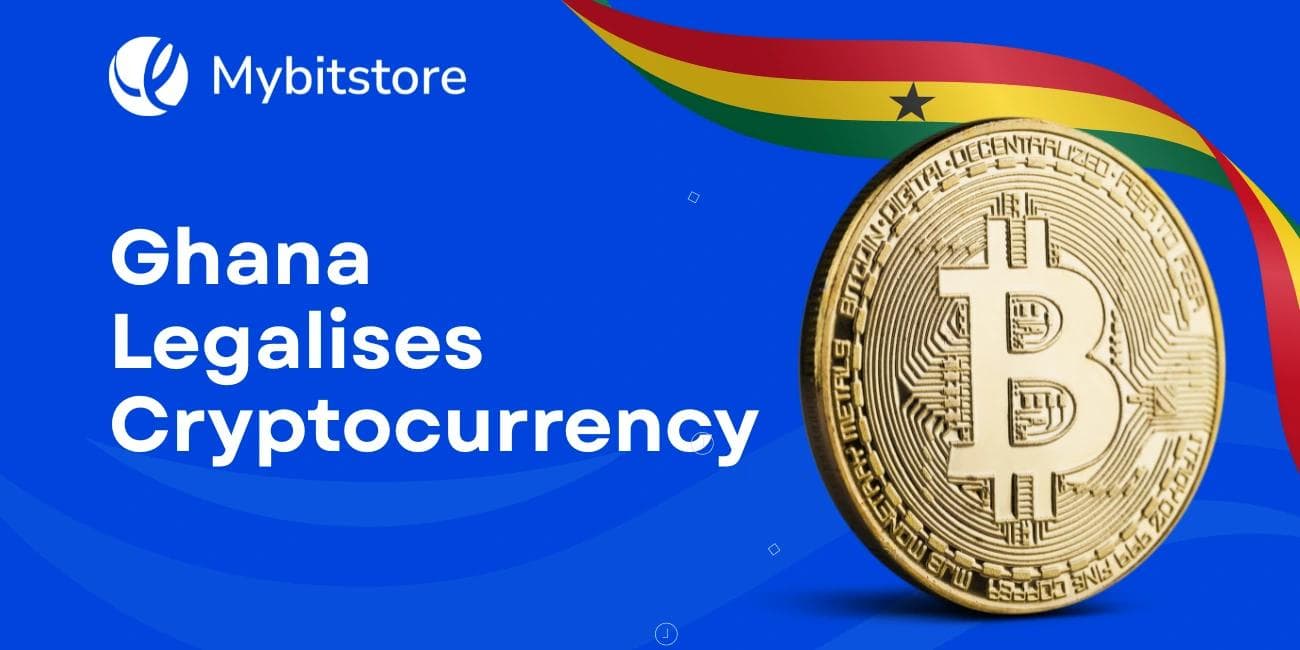
Ghana has taken a historic step in its financial journey by officially legalising cryptocurrency trading. With the passage of the Virtual Asset Service Providers Bill, the country has moved digital assets from a grey area into a clear legal framework. This decision is already reshaping how crypto exchanges operate, how users interact with digital assets, and how West Africa views the future of financial innovation.
Crypto Is Now Legal in Ghana: Understanding the Virtual Asset Bill
For the first time, cryptocurrency trading in Ghana is no longer informal or uncertain. The Bank of Ghana has confirmed that digital asset trading is now legal, following the approval of the Virtual Asset Service Providers Bill by Parliament.
This means individuals and businesses involved in cryptocurrency are no longer operating in fear of legal consequences. Instead, they are now part of a regulated financial ecosystem overseen by national authorities.
What the Virtual Asset Service Providers Bill Covers
The Virtual Asset Service Providers Bill establishes rules for companies and individuals that offer crypto-related services in Ghana. This includes exchanges, wallet providers, brokers, and other platforms that facilitate digital asset transactions.
Under the new law, these service providers must be licensed and monitored by regulators, primarily the Bank of Ghana, working with other financial authorities. The bill also introduces standards for consumer protection, anti-money laundering compliance, and transparency in operations.
Why Ghana’s Crypto Regulation Is a Major Milestone
This development marks a major shift in how Ghana approaches financial innovation. For years, cryptocurrency use grew rapidly despite the absence of a clear legal framework. Millions of Ghanaians were already using crypto for trading, remittances, savings, and online payments.
By introducing regulation instead of restriction, Ghana has chosen to acknowledge reality and guide it responsibly. This move signals maturity in policy-making and positions the country as forward-thinking in the global digital economy.
Impact of Crypto Legalisation on Ghanaian Exchanges
How Ghanaian Crypto Exchanges Like Mybitstore Benefit
For local exchanges such as Mybitstore, legalisation changes everything. Regulation gives exchanges the legitimacy they need to operate openly and confidently.
Licensed platforms can now build stronger trust with users, explore partnerships with banks and fintech companies, and attract more customers who were previously hesitant. It also creates room for expansion, innovation, and long-term sustainability.
Regulatory Clarity and Business Growth for Local Platforms
Clear rules remove uncertainty. Exchanges can now invest in infrastructure, security, and customer experience without fear of sudden policy reversals.
With defined compliance requirements, local platforms can grow responsibly, improve internal controls, and compete more effectively both locally and internationally.
Improved Security, Transparency, and Consumer Protection
For everyday users, regulation brings protection. Licensed exchanges are required to meet specific standards that reduce the risk of fraud, scams, and misuse of funds.
Users now have clearer rights and can expect better transparency from the platforms they use. This level of protection was largely missing in the past.
Increased Trust and Adoption of Cryptocurrency
Legal clarity builds confidence. Many people who avoided crypto due to uncertainty can now participate with peace of mind.
This is likely to drive wider adoption across different age groups and industries, from young traders to businesses using crypto for cross-border transactions.
Why Ghana’s Move Sets a Precedent for Other West African Countries
Ghana’s decision places it among the leading countries in West Africa when it comes to crypto regulation. Rather than banning or ignoring digital assets, the country has chosen a balanced approach that supports innovation while managing risk.
Other countries in the region are likely to study Ghana’s model as they develop their own policies.
The Importance of Crypto Education After Legalisation
Why Educating the Public Is Essential for Safe Crypto Adoption
Legalisation alone is not enough. Without proper education, users may still fall victim to misinformation and poor investment decisions.
Public education on how crypto works, how to stay safe, and how to identify regulated platforms is critical for long-term success.
The Role of Exchanges, Regulators, and Media in Crypto Awareness
Crypto education is a shared responsibility. Exchanges must guide users clearly. Regulators must communicate rules and consumer rights. Media outlets must provide accurate and balanced reporting.
When these groups work together, the result is a healthier and safer crypto ecosystem.
Key Insights from Ghana’s Crypto Legalisation
Regulation, Education, and Innovation as the Future of Crypto in Ghana
Ghana’s legalisation of cryptocurrency marks a turning point. With proper regulation, ongoing education, and continued innovation, the country is well-positioned to build a strong digital asset economy.
This moment is not just about crypto. It is about embracing the future of finance responsibly and inclusively, with Ghana leading the conversation in West Africa...