

What Is the Difference Between Crypto and Web3?
November 7, 2025Key Insights
- Cryptocurrency is the financial layer of the digital economy — enabling value transfer, payments, and ownership through blockchain.
- Web3 is the decentralised internet built on crypto infrastructure, empowering users with control over their data, identity, and digital assets.
What Is Cryptocurrency?
Cryptocurrency refers to digital money built on blockchain technology. It allows people to send, receive, and store value online without relying on banks or middlemen. Bitcoin was the first and remains the most popular, but today there are thousands of cryptocurrencies serving different purposes, from payment to gaming and decentralised finance.
What Is Web3?
Web3 is the next phase of the internet; one that is decentralised, user-owned, and powered by blockchain. Unlike the traditional web, where big companies control data and platforms, Web3 gives users control over their identities and digital assets. It includes everything from decentralised apps to NFTs and blockchain-based social networks.
How Crypto Powers the Web3 Ecosystem
Cryptocurrencies are the fuel that keeps Web3 running. They serve as payment systems, governance tools, and value stores within decentralised apps. For instance, Ethereum’s native token, ETH, is used to pay for transactions on its network, while tokens like MATIC or SOL power their respective ecosystems. Without crypto, most Web3 platforms wouldn’t function.
The Key Differences Between Crypto and Web3
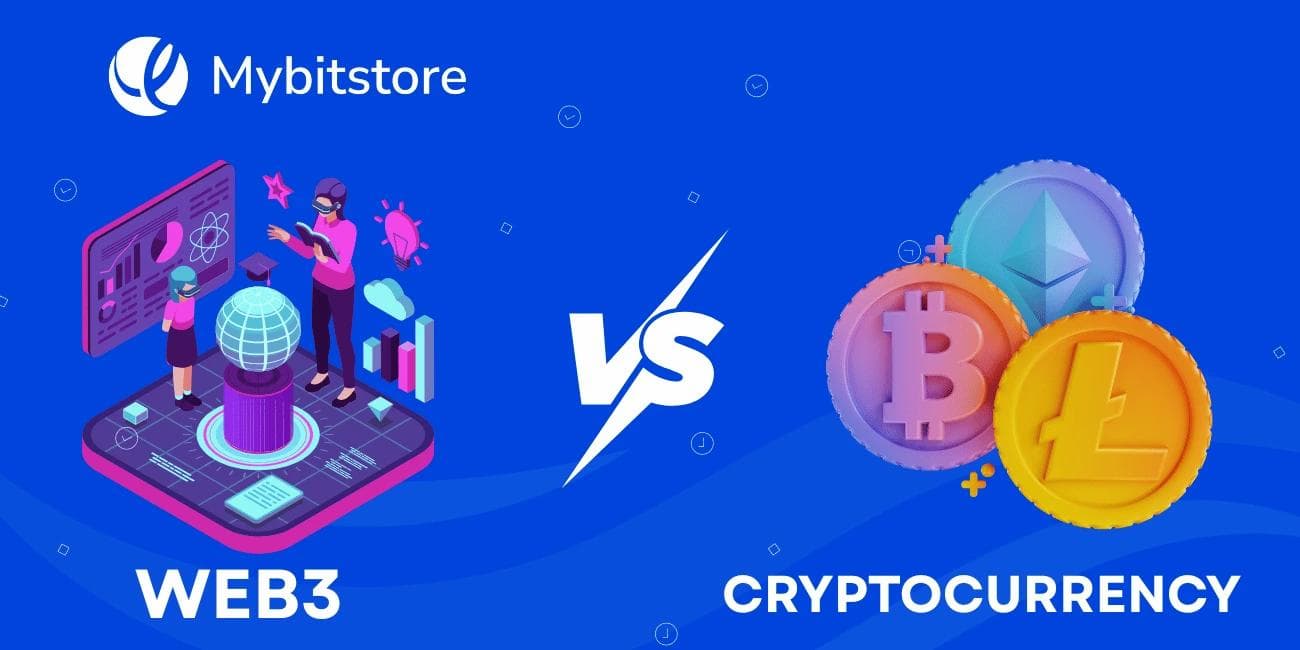
Crypto focuses on digital assets and financial transactions, while Web3 is a broader concept centred on decentralisation and user ownership. Think of crypto as the currency and Web3 as the world where that currency is used. Crypto enables transactions, and Web3 creates the environment where people can interact, trade, and build value in new digital ways.
Why Understanding Both Matters for the Future of Digital Finance
Understanding the distinction between cryptocurrency and Web3 enables individuals, investors, and businesses to make more informed decisions. As financial systems evolve, both play key roles; crypto brings the tools for digital value transfer, while Web3 builds the infrastructure for a decentralised economy. Together, they represent the foundation of a more open financial future.
Crypto and Web3 in Africa: The New Frontier of Digital Innovation
Across Africa, the combination of crypto and Web3 is opening up opportunities for innovation. Countries like Ghana and Nigeria are witnessing startups develop decentralised finance solutions, NFT platforms, and blockchain-powered services that facilitate faster and more inclusive transactions. This shift is creating new paths for youth entrepreneurship and digital empowerment.
The Role of Crypto Adoption in Ghana and Nigeria’s Web3 Growth
In Ghana and Nigeria, crypto adoption is a key driver of Web3 innovation. With millions using Bitcoin, USDT, and other tokens for trade, savings, and payments, people are naturally being introduced to Web3 technologies. Platforms like Mybitstore make it simple for anyone to buy, sell, and use crypto, helping bridge the gap between traditional finance and the decentralised web.
Examples of Web3 Applications Beyond Cryptocurrency
Web3 goes beyond trading coins. It includes decentralised social media platforms, NFT marketplaces for art and collectables, and play-to-earn gaming systems. These innovations are changing how creators and users interact online, giving everyone more control and ownership.
How Blockchain Connects Crypto and Web3
Blockchain is the foundation that links crypto and Web3 together. It ensures transparency, security, and trust in every transaction. Each crypto token exists because of blockchain, and every Web3 project depends on it to operate without centralised control.
Future Outlook: How Crypto and Web3 Will Shape Global Economies
As more people adopt blockchain technology, the line between crypto and Web3 will continue to blur. We’re moving toward a future where money, identity, and data live on decentralised networks. For Africa, this shift could mean new levels of inclusion, innovation, and financial freedom, and it’s already beginning.